

Understanding the Hidden Costs of Wildlife Tourism
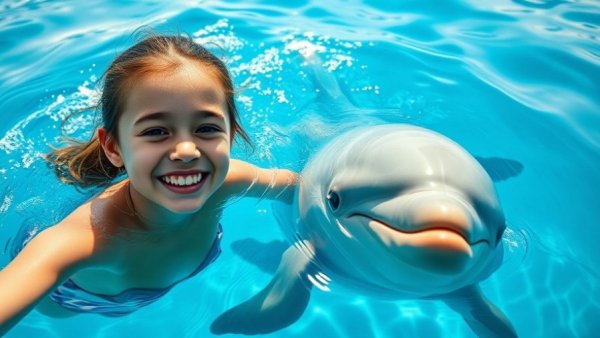
In a world where the perfect travel photo is just an Instagram snap away, the reality behind extraordinary wildlife encounters often goes unnoticed. Picture yourself in turquoise waters, a majestic whale shark gliding by, or cradling a sloth for that adorable snapshot - the images are magical. However, what if those moments come at a terrible cost for the animals we hold dear? As wildlife tourism increases, it’s key to discern between genuine connections with nature and situations that exploit these majestic beings.
The Reality Behind the Photos
Many wildlife operators focus on crafting picture-perfect moments, often disregarding the welfare of the animals involved. For instance, locations in the Philippines draw whale sharks with food, conditioning these magnificent creatures to change their natural behaviors, which can have long-term consequences. Similarly, interactions with baby sloths, marketed as endearing experiences, can introduce significant stress. Activities that seem harmless, such as holding or feeding wild animals, can teach them to associate humans with sustenance—leading to a dangerous cycle of dependency and risky encounters.
What Makes Tourism Responsible?
Finding wildlife experiences that prioritize ethical practices can be challenging but is crucial for conservation. Using reputable guides who respect animal autonomy adds depth to your adventure. Ethical operators ensure animals have the freedom to behave naturally, offering opportunities to build genuine connections. So when you embark on your next adventure, remember that the best wildlife interaction isn’t about the selfie, but allowing animals to express their natural behaviors in their own time and space.
Why Your Choices Matter
The next time you wander into a wildlife encounter, pause and ask yourself about the animal's story beyond that fleeting moment. Is the animal free to roam, or is its behavior merely a product of human manipulation? Understanding these nuances not only influences which experiences you seek but also supports genuine wildlife conservation and welfare. The perfect photo has less value when it stands in contrast to the cost of exploitation.



Write A Comment