
Add Row
Add Element
cropper
update
Talk Travel Daily News
update
Add Element
  • Home
  • Categories
    • travel
    • news
    • tips
    • trends
    • adventure
    • updates
    • inspiration
    • exploration
    • guides
    • destinations
    • Festivals
    • Food
March 11.2025
3 Minutes Read

Discover the Rich History and Beauty of Château de Labourdonnais in Mauritius

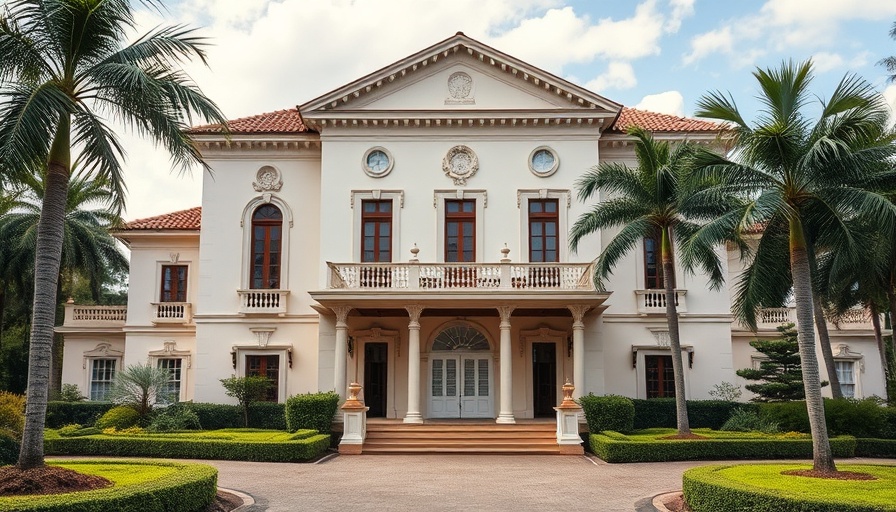
Château de Labourdonnais history, grand architecture surrounded by nature.


Experience the Majesty of Château de Labourdonnais

Walking towards the stunning Château de Labourdonnais, framed by the arching branches of the magnificent Ficus macrocarpa trees, feels like stepping into another world. This pathway, alive with the sounds of chirping birds and the warmth of dappled sunlight, leads travelers to one of Mauritius' most enchanting historical sites. With each step, anticipation builds until the grand estate reveals itself beyond a charming fountain, capturing the quintessential elegance of the island's colonial past.

A Glimpse into History

Founded in 1774, Château de Labourdonnais was originally a concession granted to two orphans during the French colonial era. As the estate evolved, it became a centerpiece of agriculture, particularly sugar production. Mr. Jean Baptiste Germain's construction of the island's first sugar mill in 1814 marked the beginning of a sugar legacy that shaped Mauritian culture and economy. The estate later saw significant expansion under Jacques de Chasteigner Du Mée, who transformed it into an expansive plantation. This historical context makes a visit to the Château not just a journey to a beautiful location but a walk through the very foundations of Mauritian history.

The Architectural Splendor

The Château, often referred to as a mansion rather than a castle, is renowned for its gorgeous design and restoration. With its double verandas and Romanesque pillars, the structure presents visitors with both visual delight and tranquility. The symmetrical layout and intricate details reflect an era of grandeur, while the carefully restored interiors offer a glimpse into the opulence of plantation life.

Engagement with Heritage

Visitors to Château de Labourdonnais can engage deeply with the heritage of Mauritius. By offering tours and integrating local history, the estate allows guests to appreciate not just its architectural beauty but also its role in the lives of Mauritians throughout history. This is particularly appealing for those interested in culture and history, as guided tours often include fascinating narratives that connect the estate's past to its present.

Why Visit Château de Labourdonnais?

Whether you're a history buff or a casual traveler, exploring Château de Labourdonnais offers an enriching experience. It serves as a serene escape within lush surroundings, coupled with lessons of resilience and heritage that resonate deeply with visitors. Planning a private tour of the estate, which includes entrance to local museums and attractions like L'Aventure du Sucre, can make for a full day of exploration that encapsulates the spirit of Mauritius.

Plan Your Trip

For those keen to immerse themselves in Mauritius' unique culture and history, visiting Château de Labourdonnais should be on your itinerary. Plus, with several travel packages available that combine historical tours with culinary experiences, now is the perfect time to discover the timeless stories this estate has to offer. Explore the journey through time, savor local flavors, and bring home memories that epitomize the beauty of Mauritius.

If you're eager to experience the rich history and stunning beauty of Château de Labourdonnais, plan your visit now and engage with the captivating stories that define this magnificent estate. Whether you're looking to deepen your historical knowledge or simply enjoy a picturesque day out, Château de Labourdonnais will leave you inspired.


destinations

18 Views

0 Comments

Write A Comment

*
*
Related Posts All Posts
01.12.2026

Explore the Eternal City: Essential Travel Insights for Rome Adventures

Update Discover the Charm of Rome: Your Ultimate Travel Companion Rome, often referred to as the Eternal City, offers visitors an unparalleled blend of history, culture, and culinary delights. Here, ancient architecture like the majestic Colosseum and Vatican City coexist with lively street life and delightful espresso bars. Understanding the Historical Tapestry Every corner of Rome tells a tale shaped by the remnants of its 2,500-year history. A walk through the city is akin to stepping onto an ancient film set, where you can casually stroll through the ruins of the Roman Forum or admire the exquisite frescoes inside the Sistine Chapel. Enthusiasts of art and history will find Rome a veritable treasure trove, a place that not only showcases its illustrious past but also pulses with contemporary energy. A Culinary Journey Like No Other Beyond its historical landmarks, Rome is a food lover's paradise. From the well-loved classic pasta dishes like Cacio e Pepe to the delightful artisanal gelato around every corner, Roman cuisine offers an authentic taste that contributes to the city's artistic flavor. Even the experience of sharing a meal with locals in one of the city’s numerous trattorias tells a story of community and tradition. Optimizing Your Visit: When to Go The ideal times to explore Rome are during the spring and fall seasons. Springtime from April to May allows for leisurely strolls amidst blooming gardens, whereas autumn offers the opportunity to relax in fewer crowds while enjoying seasonal culinary dishes. Planning your itinerary during these periods can enhance your experience dramatically, turning simple sightseeing into memorable moments. The Local Culture: Embrace the Atmosphere Perhaps the most charming aspect of Rome is its vibrant neighborhood culture. Each district showcases its unique identity—think spirited conversations over lunch in Trastevere or the bustling markets in Campo de’ Fiori. Engaging with the city's locals not only enriches your trip but also cultivates an understanding of Roman life that museums simply cannot capture. There’s a certain magic in taking the time to simply sit on the steps of a church with gelato in hand, watching the world go by. This is where Rome’s allure truly lies. Instead of rushing from one iconic sight to the next, allow yourself to be enveloped by its charm and culture, allowing the city to tell you its story in every fleeting moment. Inspiring, beautiful, and rich in history, Rome is a destination that remains etched in the hearts of those who visit. Whether you’re a first-timer or a seasoned traveler, this timeless city promises an unforgettable experience.

01.11.2026

Explore Xiamen: Culture, Nature, and Food in China's Coastal Gem

Update Discovering Xiamen: The Hidden Gem of China's Coastline Nestled along the picturesque southeast coast of China, Xiamen is often described as a city shaped by both history and the sea, offering travelers a tranquil yet vibrant escape. Known for its captivating colonial architecture and rich culinary culture, this coastal city is known as China’s second-most livable city and boasts a stunning blend of natural beauty and historical depth. A Walk Through History and Culture Formerly a prominent trading port during the Ming and Qing dynasties, Xiamen has evolved into a dynamic urban hub without losing its historical roots. At the heart of Xiamen's charm is Gulangyu Island, a UNESCO World Heritage Site. Famous for its historic mansions and the melodious notes from the island's piano museums, Gulangyu allows visitors to walk its car-free streets, experiencing firsthand the unique fusion of East-meets-West architectural styles. With nearly a thousand historic buildings lining its paths, Gulangyu is like an open-air museum, reflecting the rich story of global exchange that Xiamen has witnessed. Nature and Culinary Delights Await Beyond its historical significance, Xiamen's alluring coastal scenery invites exploration. The city is known for its lush greenery and mild climate, making it perfect for cycling along the scenic Island Ring Road or basking leisurely on its pristine beaches. For food enthusiasts, Xiamen offers flavorful Fujian cuisine, with must-try dishes such as Shacha noodles and the locally cherished Oyster Omelet. These dishes not only tantalize the taste buds but also provide insight into the everyday life of Xiamenese culture. Practical Tips for Travelers The key to enjoying your visit to Xiamen lies in planning your experience around the best seasons to visit—spring (March to May) and autumn (October to November) offer the most pleasant weather. Visitors should also be sure to explore local markets and quaint cafés, where the atmosphere is friendly and relaxed, enhancing creativity and inspiration. Don't miss the opportunity to partake in the traditional Gongfu tea ceremony, which embodies the essence of Xiamen's tea culture, reminding us that everything slows down a bit when shared over a cup of tea. Embrace the Spirit of Xiamen Whether you're a history buff, nature lover, or culinary adventurer, Xiamen can resonate deeply with anyone seeking a meaningful travel experience. Its serene ambiance combined with lively cultural exchanges creates a backdrop for unforgettable memories. For visitors, Xiamen promises not just a trip, but a journey into heartwarming connections and beautiful discoveries—a city that is hard to leave but easy to love.

01.13.2026

Discover the Unique Beauty of the Parisian Pantheon: A Travel Must-See

Update Exploring the Lesser-Known Parisian Pantheon When you think of a Pantheon, Rome typically springs to mind. However, nestled in the charming Italian quarter of Paris lies a monument that, while inspired by its Roman counterpart, tells a unique story of its own. The Parisian Pantheon invites visitors to explore its rich history, architectural grandeur, and the pivotal role it plays in French culture. Comparing Rome and Paris: A Surprising Architectural Journey As I stepped closer to the Pantheon, its towering Corinthian columns loomed overhead, reminiscent of those in Rome. But unlike the ancient Pantheon dedicated to the gods, this Parisian version was built to honor the city’s patron saint, Saint Geneviève, after King Louis XV promised to reconstruct the abbey upon his miraculous recovery from illness. This promise initiated a royal lottery that eventually funded the majestic structure we see today. More Than Just Architectural Splendor The Pantheon’s dome, similar to St. Paul’s Cathedral in London, offers breathtaking 360-degree views of Paris. Standing atop this magnificent building, overlooking the Seine and the rooftops of the city, I couldn't help but feel a deep connection to history and geopolitics. This architectural wonder encapsulates France's tumultuous past while serving as the final resting place for great minds such as Voltaire, Rousseau, and Marie Curie. Why Visit the Parisian Pantheon? Unlike its Roman counterpart, which tends to evoke a sense of solemnity, the Parisian Pantheon exudes a vibrancy that reflects its urban setting. Visiting this monument is more than just a sight-seeing experience; it’s a chance to understand the intertwining of religion, politics, and culture in France's history. For just €16 in the summer of 2025, this marvel allows you to engage with the artistic and historical facets of the Pantheon while savoring the enchanting landscape of Paris from above. Whether you’re a travel enthusiast or someone looking to enrich your understanding of French culture, the Parisian Pantheon merits a thoughtful visit. It stands as a testament to human creativity and resilience in the face of adversity, an enduring symbol of the city's spirit. So, next time you hear “Pantheon,” let it remind you of both Rome and Paris—a celebration of architectural brilliance across two storied cities.

Terms of Service

Privacy Policy

Core Modal Title

Sorry, no results found

You Might Find These Articles Interesting

T
Please Check Your Email
We Will Be Following Up Shortly
*
*
*