
cropper
update
Talk Travel Daily News
update
  • Home
  • Categories
    • travel
    • news
    • tips
    • trends
    • adventure
    • updates
    • inspiration
    • exploration
    • guides
    • destinations
    • Festivals
    • Food
    • Hot News
3 Minutes Read

Ultimate Thailand Food Crawl

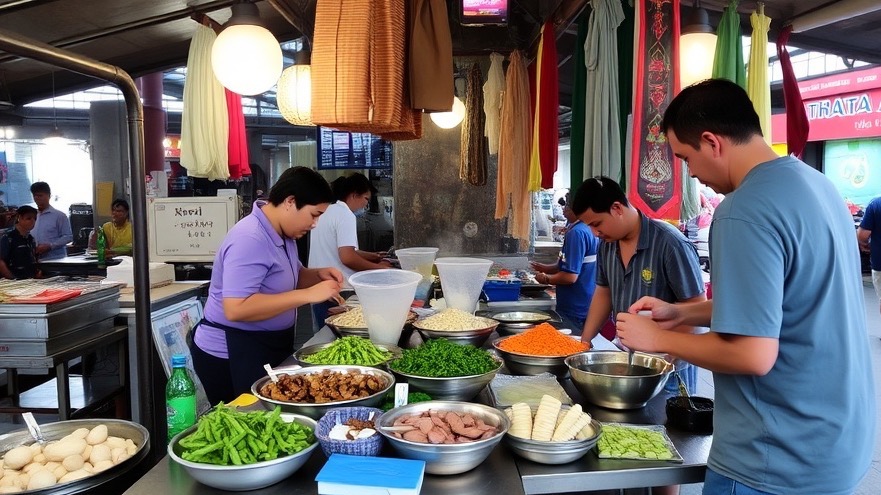
Delicious dishes featured in a Thailand food crawl adventure.

Thailand is a food lover’s paradise, offering a perfect balance of sweet, sour, salty, and spicy flavors. From sizzling street food to authentic local eateries, a food crawl in Thailand is an unforgettable experience. Here’s a guide to the best dishes and where to find them!

📍 Bangkok – Street Food Capital

1. Pad Thai – Thip Samai

📍 313 Maha Chai Rd, Bangkok
💰 Around ฿100-฿200

No Thai food crawl is complete without Pad Thai. Thip Samai, known as the "Pad Thai King," serves smoky, flavorful noodles wrapped in a thin egg omelet. Expect a line, but it’s worth the wait!

2. Mango Sticky Rice – Mae Varee Mango Sticky Rice

📍 1 Sukhumvit Soi 55 (Thonglor), Bangkok
💰 Around ฿80-฿150

This simple yet satisfying dessert pairs sweet mangoes with sticky rice drizzled in coconut milk. Mae Varee is a legendary spot that sells it all year round.

3. Boat Noodles – Victory Monument Street Stalls

📍 Victory Monument, Bangkok
💰 Around ฿15-฿40 per bowl

Originally served on boats along the canals, these rich, aromatic beef or pork noodle soups come in small bowls—perfect for stacking and sampling different flavors.

📍 Chiang Mai – Northern Thai Delights

4. Khao Soi – Khao Soi Khun Yai

📍 Sri Poom Road, Chiang Mai
💰 Around ฿50-฿80

A must-try in Chiang Mai, Khao Soi is a creamy, curry-based noodle soup topped with crispy fried noodles. Khao Soi Khun Yai serves one of the best versions in town!

5. Sai Ua (Northern Thai Sausage) – Warorot Market

📍 Warorot Market, Chiang Mai
💰 Around ฿40-฿100 per serving

This herb-infused grilled pork sausage is packed with lemongrass, kaffir lime leaves, and chili. It’s best eaten with sticky rice and nam prik (spicy dipping sauce).

📍 Phuket – Southern Thai Flavors

6. Moo Hong (Braised Pork Belly) – Raya Restaurant

📍 48 Dibuk Rd, Phuket
💰 Around ฿150-฿300

This Phuket specialty features slow-cooked pork belly in a rich soy sauce and peppercorn gravy. Raya Restaurant is a go-to for authentic Southern Thai cuisine.

7. Hokkien Mee – Mee Ton Poe

📍 214/7 Phuket Rd, Phuket Town
💰 Around ฿60-฿100

A mix of Chinese and Thai flavors, Hokkien Mee is stir-fried noodles with pork, seafood, and egg, served in a slightly thick, flavorful sauce.

📍 Ayutthaya – Historic & Tasty

8. Roti Sai Mai (Thai Cotton Candy Crepe) – Roti Sai Mai Abeedeen

📍 U-Thong Road, Ayutthaya
💰 Around ฿30-฿50 per pack

This local dessert consists of colorful cotton candy wrapped in a thin, chewy crepe. It’s fun to eat and incredibly delicious!

9. River Prawns – Ban U Thong Restaurant

📍 Pathon Rd, Ayutthaya
💰 Around ฿600-฿1,000 per dish

Ayutthaya is known for its giant grilled river prawns, cooked to perfection and served with spicy seafood dipping sauce.


From Bangkok’s vibrant street food scene to the rich flavors of Chiang Mai and Phuket, Thailand’s food culture is diverse and irresistible.


So, what’s your favorite Thai dish?

tips guides destinations Food

29 Views

0 Comments

Write A Comment

*
*
Please complete the captcha to submit your comment.
Related Posts All Posts
06.25.2026

Navigating the Global Shift: Your 2026 Guide to Residency by Investment

Update A Shift from Traveler to Resident: The 2026 Landscape As the world continues to adapt to the unpredictability of travel and remote work, the notion of residency is transforming. Long gone are the days when acquiring foreign residency was an option limited to retirees or the super-wealthy. By 2026, a new class of traveler is emerging—one that seamlessly transitions from being a transient visitor to establishing a permanent home in an international landscape. Whether sipping café au lait in Paris or gazing at the crystal waters of the Caribbean, the question many find themselves asking is no longer, "How long can I stay here?" but rather, "What do I need to do to remain here permanently?" This shift is reflective of broader social changes, including the rise in remote work opportunities and the quest for legal stability and better lifestyle options around the globe. Why the Rise in Residency by Investment? The push towards residency by investment is multifaceted. Favorable tax regimes, appealing climates, and improved access to essential services entice individuals and families alike. In 2026, over 48 jurisdictions worldwide have rolled out digital nomad visas or remote work permits, primarily focusing on welcome adaptability amid economic changes. Countries like Portugal and Greece stand out due to their remarkable quality of life and the ability to tap into the European healthcare system, making them attractive destinations for remote workers and families aiming for a more balanced life. The Avenues to Activate Residency For those contemplating which pathway to take, understanding the nuances surrounding residency options is crucial. Primarily, it often begins with a tourism visa or a temporary digital nomad permit, eventually leading to longer-term residency arrangements. But how exactly do potential residents distinguish themselves in this crowded marketplace? Guides such as the one from Forbes illustrate recent shifts in golden visa preferences, noting a significant increase in applicants towards credible options. Portugal's D8 visa, for instance, offers a streamlined process with competitive processing times—averaging between two to four months—placing it firmly on the map for many aspiring residents. Understanding the Role of Residency Consultants There exists a prevalent misconception equating residency consultants with immigration lawyers. They serve distinct purposes. Immigration lawyers handle representative roles, while residency consultants facilitate the smoother navigation of complex residency paths. With an increasing number of people seeking this expertise, especially post-2025 policy shifts regarding programs like Spain's golden visa, an informed choice is essential. Popular Destinations in 2026: Where Are People Going? Leading the pack in 2026 are countries like Portugal, Spain, and Greece, each boasting distinct advantages that appeal to the budding expat population. Portugal's relaxed lifestyle, Spain's efficient visa processes, and Greece's alluring landscape are prime motivators. Organizational shifts recently reported by industry insiders indicate that many are turning to Greece given Portugal's more stringent residency requirements set forth after sweeping reforms in 2025. Moreover, the enduring allure of countries like New Zealand, with its A-rated lifestyle and favorable tax opportunities, makes them a beacon for many looking to shift their residency priorities. Looking Forward: A Transforming Travel Landscape As the trends of the current era evolve, one can only anticipate even greater changes in how individuals interact with their chosen countries. While 2025 marked significant shifts for golden visa programs, 2026 appears to be the year where potential residents will seek to solidify their status overseas. The rising demand, coupled with growing political uncertainties across numerous jurisdictions, forms an exciting landscape ripe for exploration. This transformation isn't solely about relocation; it's about finding a viable solution for a better quality of life and securing one's future. The choice now stands clear for long-term travelers: it may be time to turn that getaway into a home base.

06.24.2026

Discover the Best Things to Do in Tarifa, Spain for Every Traveler

Update Explore the Richness of Tarifa: A Gem of Southern Spain Nestled at the very southern tip of Spain where land meets the sea, Tarifa is a treasure trove of experiences waiting to be uncovered. Known for its stunning beaches, vibrant nightlife, and unique culture, this coastal town is fast becoming a must-visit destination for travelers seeking adventure paired with relaxation. Unwind on Idyllic Beaches Tarifa boasts some of the most breathtaking beaches in Europe. Playa de Bolonia, famous for its white sands and turquoise waters, is perfect for sunbathing or enjoying water sports like windsurfing. For those seeking a more tranquil atmosphere, Playa Chica offers cozy spots to unwind while soaking in the sun. Experience the Thrill of Watersports The winds that sweep through Tarifa make it a haven for thrill-seekers. The area is famed for kite surfing, with schools readily available for beginners and experts alike. Lessons and rentals are abundant along the beachfront, allowing you to dive straight into the action and ride the waves like a pro. Culinary Delights Await After a day filled with activities, indulge in Tarifa's culinary offerings. The local gastronomy features fresh seafood, traditional tapas, and the famed "Pescaíto Frito" (fried fish). Dining at a beachfront restaurant not only teases your palate but also offers a picturesque view as the sun sets over the Atlantic Ocean. A Historical Journey Rich in history, Tarifa was founded by the Moors and boasts several historical landmarks, including the Tarifa Castle and the ancient Roman ruins at Baelo Claudia nearby. Exploring these sites offers a glimpse into the town's past and its strategic importance throughout history. End Your Day with Vibrant Nightlife As the sun sets, Tarifa transforms into a lively hub filled with music, dance, and social gatherings. The nightlife here is vibrant and diverse, featuring everything from laid-back beach bars to energetic clubs, ensuring a memorable closing to your adventurous day. Plan Your Tarifa Adventure Whether you’re drawn by pristine beaches, exciting watersports, rich history, or delightful cuisine, Tarifa promises an unforgettable experience. Start planning your visit today and discover all that this magnificent town has to offer!

06.22.2026

Discover the Farm-to-Fork Dining Experience: Freshness, Flavor, and Sustainability

Update Understanding the Farm-to-Fork Movement The farm-to-fork dining philosophy reshapes the culinary experience, moving away from extensive supply chains towards a more localized approach. This means that diners receive meals crafted from ingredients grown in their vicinity, often harvested mere hours before being served. The philosophy centers around direct partnerships between restaurants and local farms, which not only fosters freshness but also boosts the local economy. The Impact of Seasonal Sourcing One of the most compelling aspects of farm-to-fork dining is its reliance on seasonal ingredients. Restaurants that embrace this approach create menus that change frequently, reflecting what is ripe and ready to eat. For instance, diners can expect to savor fresh asparagus in spring and rich, hearty root vegetables in the fall. This shift not only enhances the flavor of the dishes but also challenges chefs to innovate and highlight the unique tastes of each season. Community and Sustainability Benefits Choosing farm-to-fork dining creates a ripple effect. Not only does it enrich local communities by keeping money within the region, but it also reduces carbon footprints associated with long-distance food transportation. Sustainable farming practices are more prominent in local sourcing, aligning with a growing demand for environmentally responsible dining. According to the literature, dining establishments that prioritize local foods contribute to food security, biodiversity, and reduced greenhouse gas emissions. Creating Connections Through Food The heart of farm-to-fork dining is the connection it creates between consumers and producers. By knowing where their food comes from, diners develop a deeper appreciation for their meals and the people behind them. Chefs often share stories about their relationships with local farmers, turning meals into celebrations of community. As diners taste ingredients freshly picked from a nearby farm, they experience flavors that supermarket produce can scarcely replicate. This transparency in sourcing captivates patrons and keeps them returning for more. Embracing Change in the Restaurant Scene For a restaurant to successfully implement a farm-to-fork model, it must be willing to adapt. This includes tailoring menus based on what farmers provide rather than rigidly adhering to a standard selection of dishes year-round. Flexible menu planning encourages creativity and allows chefs to experiment with new flavor combinations, making the dining experience dynamic and exciting. Some chefs, like Chef LG Han, have made direct visits to their suppliers to establish partnerships that shape their culinary direction. Conclusion: The Future of Dining is Local As consumer preferences shift increasingly towards sustainability, the farm-to-fork dining model stands out as a pivotal change in the culinary landscape. By aligning dining practices with local sourcing and seasonal agriculture, restaurants not only elevate their dish offerings, but they also foster supportive community networks. This evolution is not just about better food; it’s a movement that connects people to their food systems, invigorates local economies, and champions agricultural responsibility.

Terms of Service

Privacy Policy

Core Modal Title

Sorry, no results found

You Might Find These Articles Interesting

T
Please Check Your Email
We Will Be Following Up Shortly
*
*
*