
Add Row
Add Element
cropper
update
Talk Travel Daily News
update
Add Element
  • Home
  • Categories
    • travel
    • news
    • tips
    • trends
    • adventure
    • updates
    • inspiration
    • exploration
    • guides
    • destinations
    • Festivals
    • Food
3 Minutes Read

Dream Southeast Asia Travel on a Budget: How to Explore Without Overspending


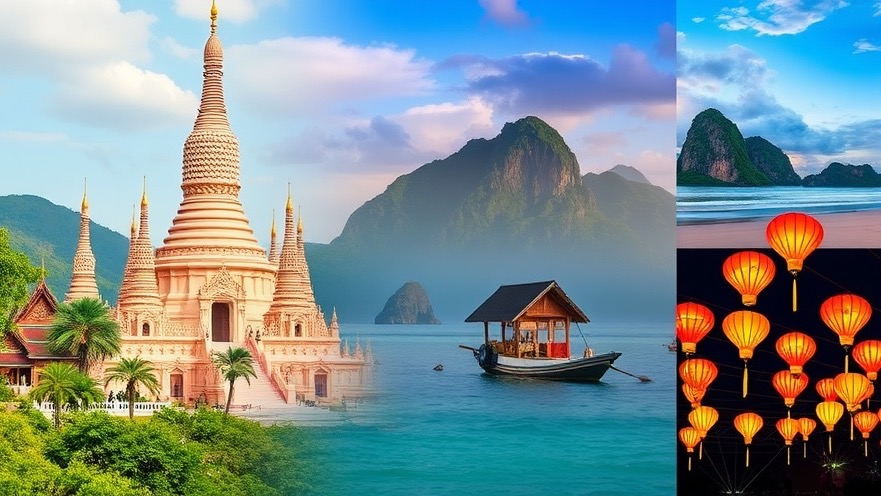
Collage of Southeast Asia destinations: temples, beaches, and lanterns.

Southeast Asia is a dream destination for many travelers, offering breathtaking landscapes, rich cultures, and mouthwatering food—all at surprisingly affordable prices. Whether you're a backpacker or a budget-conscious explorer, this guide will help you experience the best of the region without breaking the bank.


1. Vietnam – A Foodie and Nature Lover’s Paradise

Budget Must-Do’s:

  • Hanoi’s Old Quarter – Walk around the historic streets and try bánh mì or phở for just $1–$2.

  • Ha Long Bay – Opt for budget boat tours ($25–$50) to explore this UNESCO-listed wonder.

  • Hoi An’s Ancient Town – Free to explore, and you can rent a bicycle for $1/day.

Budget Tip:

Use sleeper buses instead of flights—they are comfortable and cost only $10–$20 for long routes.


2. Thailand – The Ultimate Budget Backpacker Destination

Budget Must-Do’s:

  • Bangkok’s Street Food – Enjoy pad thai, mango sticky rice, and tom yum soup for under $3.

  • Chiang Mai Temples – Visit famous temples like Wat Phra That Doi Suthep for just a small donation.

  • Islands on a Budget – Koh Tao and Koh Chang offer affordable beach bungalows ($10–$15/night).

Budget Tip:

Use the BTS Skytrain or boats in Bangkok instead of taxis—they cost less than $1 per ride.


3. Cambodia – Home to Ancient Wonders

Budget Must-Do’s:

  • Angkor Wat – A 1-day pass is $37, but you can rent a bike to explore instead of hiring a tuk-tuk.

  • Siem Reap Night Markets – Find cheap and tasty Cambodian dishes like lok lak for $2–$3.

  • Kampot & Kep – Enjoy quiet riverside charm and fresh seafood for under $5/meal.

Budget Tip:

Stay in budget hostels or guesthouses for $5–$10 per night.


4. Indonesia – More Than Just Bali

Budget Must-Do’s:

  • Yogyakarta’s Borobudur & Prambanan Temples – Entry fees are under $25 for both sites.

  • Mount Bromo Sunrise Hike – Skip the tour and take a local guide for a fraction of the price.

  • Gili Islands – Snorkel with turtles for free or rent gear for $5.

Budget Tip:

Eat at local warungs (small restaurants) where meals cost only $2–$3.


5. The Philippines – Island Paradise on a Budget

Budget Must-Do’s:

  • Siargao – Explore lagoons, beaches, and surf for cheap.

  • Cebu’s Waterfalls – Visit Kawasan Falls and Tumalog Falls for just a small entrance fee.

  • Bohol’s Chocolate Hills – Entrance fee is only $1, and you can rent a scooter for $7/day.

Budget Tip:

Use jeepneys and tricycles instead of taxis, and fly budget airlines like Cebu Pacific for cheap inter-island flights.


6. Malaysia – A Blend of Modernity and Culture

Budget Must-Do’s:

  • Penang’s Street Art and Food – Walk around Georgetown for free and eat delicious char kway teow for $2.

  • Cameron Highlands – Hike through tea plantations without spending a dime.

  • Langkawi – Take a budget ferry instead of a flight for cheaper island access.

Budget Tip:

Opt for public transport (MRT, LRT, and buses) in Kuala Lumpur instead of taxis or Grab.


7. Laos – Southeast Asia’s Hidden Gem

Budget Must-Do’s:

  • Luang Prabang’s Kuang Si Falls – Entrance is only $3.

  • Mekong River Sunset Cruise – Costs as low as $5 with drinks included.

  • Vang Vieng’s Blue Lagoon – Swim for just $1.

Budget Tip:

Rent bicycles or scooters for $3–$7 per day to get around cheaply.


General Budget Travel Tips for Southeast Asia

✔ Eat Street Food – It’s safe, delicious, and costs much less than restaurants.
✔ Stay in Hostels or Guesthouses – Dorm beds cost $5–$15 per night.
✔ Use Local Transport – Buses, tuk-tuks, and motorbike rentals save money.
✔ Travel Slow – The longer you stay in one place, the cheaper your daily expenses.
✔ Bargain Smartly – In markets and with tuk-tuk drivers, always negotiate.

Southeast Asia is the perfect budget-friendly destination, offering unforgettable experiences without costing a fortune. With the right planning, you can explore this dream region while keeping your expenses low.

Where in Southeast Asia do you want to travel next? Let us know in the comments!

travel adventure exploration destinations

18 Views

0 Comments

Write A Comment

*
*
Related Posts All Posts
12.11.2025

Discover the Best Trek for You: Everest Base Camp vs. Langtang Valley

Update A Journey to Remember: Everest Base Camp vs. Langtang Valley TrekNepal's breathtaking landscapes, rich culture, and challenging trekking routes have made it a haven for adventure enthusiasts. Among the many journeys you can undertake, the Everest Base Camp (EBC) Trek and the Langtang Valley Trek stand out as two iconic experiences that cater to different types of trekkers. Let's delve into what makes each trek unique, allowing you to choose your adventure wisely. Why Choose the Everest Base Camp Trek?The Everest Base Camp Trek is often considered the quintessential trek for adventure lovers, renowned for its stunning views of the world's highest peaks. Trekkers begin their journey with a thrilling flight to Lukla and navigate through vibrant Sherpa villages filled with notable monasteries and breathtaking vistas. This trek is not just about reaching EBC; it is a journey into the heart of Himalayan culture, where you can experience the strong traditions of the Sherpa community and their heroic mountaineering legends. Experience the Glory of Langtang ValleyConversely, the Langtang Valley Trek offers a more tranquil and less-crowded experience. Easily accessible from Kathmandu, this trek is ideal for those looking for a quick getaway into the serene landscapes of Nepal’s mountains. Here, trekkers are greeted with lush forests, scenic rivers, and the unique Tamang culture that thrives in the area. The journey allows for an intimate connection with nature and culture, offering a refreshing alternative to more popular trekking routes. Comparative Highlights of Both TreksAltitude and AcclimatizationOne significant factor distinguishing these two treks is altitude. The EBC trek climbs to heights exceeding 5,000 meters, presenting higher risks of altitude sickness. It requires careful acclimatization and a significant investment of time, typically lasting between 12 to 16 days. On the flip side, Langtang Valley tops out below this altitude, making it more suitable for beginners and families, and generally requires less acclimatization with a more manageable duration of about 7 to 10 days. Scenic BeautyScenery is another draw to consider. While the EBC trek boasts dramatic views of towering mountain ranges, glaciers, and the legendary Kala Patthar at dawn, the Langtang Valley trek offers stunning views of lush subtropical forests unfolding into dramatic landscapes filled with glacial lakes and high peaks like Langtang Lirung. Each trek unveils its unique charm and beauty, appealing to different aesthetic preferences. Cultural Immersion OpportunitiesBoth routes promise rich cultural experiences, yet the EBC trek is steeped in Sherpa culture, where you might visit famed Gompas and busy markets in Namche Bazaar. Langtang Valley, meanwhile, provides an opportunity to engage closely with local Tamang traditions and their peaceful village lifestyles. This subtle difference could play a crucial role in your adventure choice, especially if you’re keen on cultural exploration. Cost Considerations: Budgeting for Your TrekWhen considering the budget, the Langtang Valley Trek emerges as a more affordable option. It does not require an expensive flight to Lukla, which significantly impacts the overall cost of the EBC trek. Daily expenses for lodging and meals in Langtang are generally lower, making it accessible for a wider audience. For those wanting a grand adventure with more substantial budget flexibility, EBC may be the choice, despite the higher costs involved. Final Thoughts: Pick Your AdventureThe decision between the Everest Base Camp Trek and the Langtang Valley Trek ultimately depends on individual preferences and capabilities. Whether you're enticed by the challenges of standing at the foot of the world's highest peak or drawn to the serenity and cultural connections found in Langtang, both journeys promise unforgettable experiences and memories to cherish. If you’re ready for a high-altitude challenge steeped in adventure, EBC awaits. For those who prefer scenic beauty and cultural engagement, Langtang Valley is calling. Whichever trek you choose, it’s essential to plan and prepare adequately—research your options, pack strategically, and possibly connect with experienced trekking agencies to make your adventure smooth and memorable. So gather your trekking gear, rally your friends, and embark on a journey that often leads to profound self-discovery and lifelong friendship amidst the majestic backdrop of the Himalayas.

12.11.2025

Plan Your Dream Snowboarding Adventure in Japan: Unmatched Experiences Await

Update Why Japan is the Ultimate Snowboarding Destination If you're dreaming of an epic snowboarding trip, look no further than Japan. This island nation offers unrivaled snow conditions, breathtaking scenery, and a unique cultural experience that will stay with you long after the last run. Known for its legendary ‘Japow’—a combination of deep, dry, and light powder—Japan's ski resorts are among the best in the world. With an abundance of resorts, each offering a diverse range of slopes and amenities, snowboarding in Japan is an experience that caters to thrill-seekers and families alike. Popular Regions for Snowboarding Choosing the right region is essential for an unforgettable experience. The three most notable areas include: Hokkaido: Home to renowned resorts like Niseko and Furano, Hokkaido boasts consistent fresh snow and exciting terrains, perfect for freeriders. Nagano: Easily accessible from Tokyo, Nagano offers a variety of resorts such as Hakuba Valley, ideal for ski enthusiasts of all levels. Tohoku: A quieter alternative that allows visitors to soak in the authentic Japanese experience with fewer crowds, making it perfect for a more tranquil snowboarding vacation. Must-Visit Resorts for Every Riding Style Based on your snowboarding preferences, you can choose from various resorts that suit your riding style: Niseko: This bustling resort is famous for exciting nightlife and excellent infrastructure, making it the perfect choice for those looking for a lively atmosphere. Hakuba Valley: If improving your snowboarding skills is on your agenda, Hakuba is loaded with diverse trails for every level. Nozawa Onsen: For those wanting a cultural experience, this traditional town offers authentic local life combined with fantastic slopes. Optimal Timing for Your Adventure The best time to visit Japan for snowboarding is typically between late December and early March, with the most reliable powder generally appearing in January and February. This is when you can expect the ideal snow conditions for an epic adventure. Planning Essentials Don’t overlook the importance of planning ahead! Ensure you have appropriate travel insurance, ideally one that covers snowboarding, to protect yourself from unforeseen incidents on the mountain. Make your lodging reservations early, especially if you're eyeing popular resorts during peak season. With its exceptional snow, vibrant culture, and friendly hospitality, a snowboarding trip to Japan promises fun and adventure. Discover what makes this destination irresistible and start planning your journey to the slopes today!

12.11.2025

Explore Japan's Vision for Nature: Discover the GREEN×EXPO 2027

Update Embracing Nature: Discover Japan’s Serene Gardens Japan has long been a beacon of beauty, combining the sing-song of tradition with the hum of modernity. As the cherry blossoms bloom and the fall foliage warms the landscape, the nation's dedication to sustainable living and harmonious ecosystems becomes clear through its vibrant gardens. This is not just an aesthetic pursuit; it’s a holistic vision carefully choreographed to weave natural beauty into the fabric of urban life. Diving Into the GREEN×EXPO 2027 The upcoming GREEN×EXPO 2027, set to unfurl in Yokohama, will serve as a crucial platform for showcasing humanity's commitment to eco-friendliness and innovation. Scheduled from March 19 through September 26, 2027, the Expo, under the theme "Scenery of the Future for Happiness," aims to unite visionaries from around the globe. Attendees can expect to engage with installations that range from immersive themed gardens to avant-garde urban design showcases, each highlighting principles of sustainability. Japan's Roots in Sustainable Greenery Furthering the narrative of ecological consciousness, Japan is making significant strides to adapt its cities to a greener tomorrow. From burgeoning rooftop gardens to eco-focused public transportation, the melding of nature and technology defines the Japanese experience. Experts contend that the enhancements being made are not only about beautifying urban landscapes but also redefining them. It’s about planting the seeds of change for a more sustainable future, where flora acts as a vital component of urban architecture. A Rich Tapestry of Flora and Culture As a testament to its rich horticultural heritage, Japan offers a unique blend of seasonal changes depicted across its exquisite landscapes. The magnitude of vibrancy seen at sites like Farm Tomita in Hokkaido, known for its sprawling lavender fields, complements the echoing tranquility of country hideaways that beckon wellness seekers. As generations of Japanese people connect deeply with their environment, their gardens speak volumes about the past, present, and future of their ecological commitment. What Lies Ahead: Innovations and Co-creation Looking toward the future, the invitation to explore how these gardens reflect a broader societal shift towards ecologically sound practices cannot be overlooked. Innovations emerging from the Expo’s presentations are more than mere projects—they are emblematic of Japan's vision, serving as beacons of inspiration and catalysts for environmental stewardship on a global scale. Through events like the GREEN×EXPO 2027, Japan invites everyone to embark on a journey of rediscovery, merging the values of tradition with the challenges of modernity. Whether as a local or a traveler, the opportunity to witness firsthand how the nation is nurturing its landscapes offers hope and encouragement for a more robust, nature-infused future.

Terms of Service

Privacy Policy

Core Modal Title

Sorry, no results found

You Might Find These Articles Interesting

T
Please Check Your Email
We Will Be Following Up Shortly
*
*
*