
Add Row
Add Element
cropper
update
Talk Travel Daily News
update
Add Element
  • Home
  • Categories
    • travel
    • news
    • tips
    • trends
    • adventure
    • updates
    • inspiration
    • exploration
    • guides
    • destinations
    • Festivals
    • Food
March 16.2025
2 Minutes Read

Atlantic City's Mega Resort: Transforming Tourism and Economic Growth by 2026

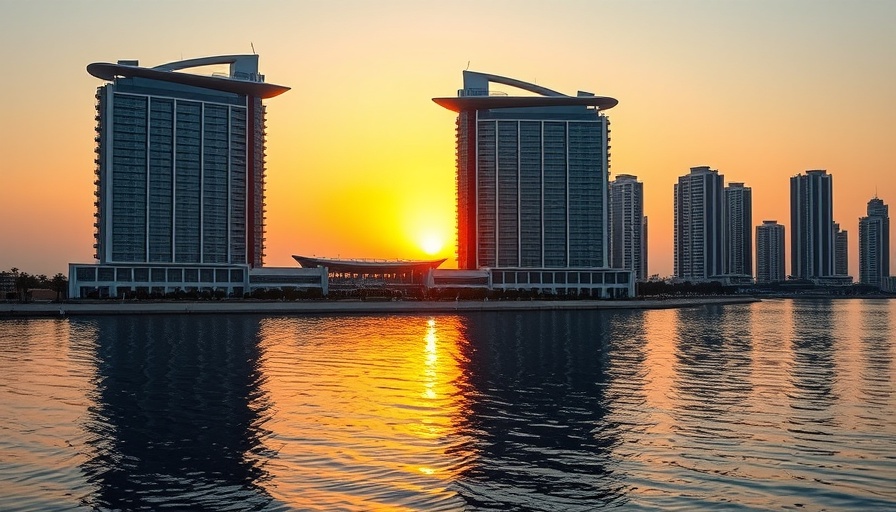
Atlantic City Mega Resort reflecting on water at sunset.

Atlantic City: A New Era of Transformative Development

As we venture into 2026, Atlantic City is set to embrace a dramatic transformation with its highly anticipated mega-resort. This groundbreaking development, focusing on more than just the casino experience, aims to revitalize the city, supporting its evolution into a premier tourist destination. The project champions a shift from a primarily gambling-centric model to a multifaceted entertainment hub that caters to families and a diverse clientele, appealing to both adults and teens looking for memorable travel experiences.

Planned Features that Promise to Attract Visitors

The upcoming resort is set to feature luxurious condos and a high-end Hilton hotel, enriched with a variety of dining options, retail shops, and awe-inspiring entertainment venues. The incorporation of beach bars, picturesque cabanas, and stunning 360-degree ocean views promises to bring visitors a rich and immersive experience, enhancing the coastal charm that Atlantic City is renowned for. This emphasis on creating a family-friendly atmosphere aligns with a broader trend in travel where visitors seek more than just gaming opportunities.

The Success of Non-Casino Ventures in Atlantic City

The positive reception of the Showboat Hotel, which operates successfully without traditional gambling amenities, serves as an encouraging precedent. Its thriving indoor water park has demonstrated that family-focused attractions can flourish in this environment. Encouraged by this success, the new mega-resort is expected to attract a considerable influx of visitors, signaling a promising future for Atlantic City's economic vitality.

Looking Ahead: Job Creation and Economic Benefits

Scheduled for completion in 2026, the construction of this mega-resort is set to be a catalyst for job creation in the area. As the project progresses, it is anticipated to generate numerous employment opportunities, thus promoting economic growth within the community. Local businesses, from restaurants to shops, stand to benefit significantly from increased foot traffic, fostering a vibrant ecosystem in this revitalized entertainment region.

Final Thoughts: Embracing the Transformation

The member of the city's development team envisions an Atlantic City that merges luxury and accessibility. Construction is slated to begin soon, bringing with it not just hope, but a tangible pathway to a bustling tourist hub. As the project unfolds, both residents and visitors alike have much to look forward to. Will you be among those celebrating the grand opening of this landmark resort? Join the conversation and share your excitement!

travel

14 Views

0 Comments

Write A Comment

*
*
Related Posts All Posts
12.31.2025

Unlock Incredible Travel Rewards: Convert Everyday Points into AlFursan Miles!

Update Transforming Everyday Spending into Travel RewardsSaudia is embarking on an exciting new journey through its partnership with Resal, a frontrunner in prepaid digital card solutions. This collaboration allows Resal's customers to convert everyday points earned from shopping, dining, and other activities into valuable AlFursan Reward Miles, enhancing their ability to travel without the high costs typically associated with airfares. Imagine turning your daily coffee runs or grocery shopping into flying experiences – that’s what this partnership aims to achieve!Creating Value Through Enhanced Loyalty ProgramsThe integration of Resal into Saudia’s well-established AlFursan Loyalty Program marks a significant milestone in customer engagement. This program, which is already a favorite among travelers in Saudi Arabia and beyond, provides an array of benefits, from additional checked baggage to access to premium lounges. By introducing Resal, Saudia is inviting consumers to earn rewards in a way that fits seamlessly into their busy lives, thus transforming mundane purchases into exciting travel opportunities.Meeting Evolving Consumer ExpectationsIn a world where consumer expectations are constantly changing, this partnership reflects a thoughtful understanding of what travelers desire – more value in their everyday transactions. Hatem Al-Kameli, CEO of Resal, articulated the vision behind this collaboration: fostering a culture of loyalty that extends beyond traditional travel rewards.Looking Ahead: A Culture of Loyalty and EngagementAs both companies gear up for the future, the goal is clear: enhance customer experiences and build a community of loyal travelers who engage with Saudia and Resal. The initiative not only benefits airline passengers but also offers a rewarding experience for those who engage in daily activities, thus making loyalty programs accessible to a broader audience.Join the Adventure!If you travel frequently or dream of your next adventure, this partnership presents a fantastic opportunity to accumulate rewards effortlessly. The beauty of this program lies in its ability to enrich lives with travel experiences. Next time you shop or dine out, think about how those purchases could help you soar through the skies!

12.30.2025

Exploring the 17.3% Surge in Foreign Tourists to South Korea

Update The Surge in Tourism: A Sign of Recovery In an encouraging turn for South Korea's economy, the number of foreign tourists visiting the country rose dramatically by 17.3% in November compared to the previous year. This uptick marks a significant recovery trajectory for the tourism sector as it approaches pre-pandemic levels. The latest figures from the Korea Tourism Organization reveal that more global travelers are exploring South Korea's vibrant culture and scenic landscapes.In 'Foreign tourists to S. Korea jump 17 pc in November,' we explore the factors behind the significant increase in international visitors and its implications for the country's tourism sector. What's Driving the Increase? Several factors contribute to this resurgence. The easing of travel restrictions, a revived interest in cultural tourism, and enhanced marketing campaigns have made South Korea a highly attractive destination. Foreign tourists are particularly drawn to Seoul's bustling markets, historic sites, and unique dining experiences, among other offerings. Impacts on Local Communities This increase in tourists not only boosts the national economy but also revitalizes local businesses. Restaurants, shops, and various hospitality industries benefit greatly when international visitors explore their neighborhoods. Small business owners are particularly optimistic, sharing stories of how foreign guests have become crucial to their survival and growth as they navigate post-pandemic challenges. Future Trends in Travel As South Korea continues to attract foreign visitors, it is important to consider sustainable tourism practices. Ensuring that growth in tourism benefits both visitors and local communities will be essential in maintaining the delicate balance between preservation of culture and economic development. In conclusion, the remarkable 17.3% increase in foreign tourists in November illustrates not just a rebound for South Korea's tourism sector, but a larger story of resilience and adaptation in a post-pandemic world. As travelers seek experiences that connect them to different cultures, South Korea's unique offerings promise to enchant visitors in years to come.

12.30.2025

Discover How Sustainable Tourism Can Transform Communities and Create Opportunities

Update Empowering Communities: The Role of Sustainable Tourism in Regional Revitalization The recent 2025 Chungcheongnam-do Sustainable Tourism Forum showcased how sustainable tourism is poised to revitalize regions globally. Titled “Revitalizing People and Regions: Opening Chungcheongnam-do’s Future through Sustainable Tourism,” the forum highlighted community-oriented tourism as a crucial vehicle for local economic growth. The Global Sustainable Tourism Council (GSTC) was central to these discussions, fostering collaboration among stakeholders including public institutions, tourism organizations, and local businesses. Historical Context: Sustainable Tourism's Growth Traditionally, many tourism models prioritized short-term economic gain, often overlooking community needs and environmental impacts. However, as the concept of sustainable tourism evolved, there’s been a paradigm shift towards embracing local cultures and supporting community development. Forums like the one held in Gongju not only emphasize sustainability but also advocate for a “local-first” approach, as showcased by initiatives in Japan addressing overtourism and promoting lesser-known regions. The integration of local history and culture into tourism can significantly enhance visitors' experiences while securing long-lasting benefits for local communities. The Importance of Stakeholder Collaboration Stakeholder engagement was a central theme during the Chungcheong Forum. Experts, including GSTC Chief Assurance Officer Mihee Kang, discussed scalable practices that allow destinations to thrive responsibly. This collaboration mirrors similar efforts in Japan, where government funding and public-private partnerships aim to relieve the pressures of overtourism and develop regional tourism sustainably. Such collaborative frameworks ensure that tourism policies prioritize the livelihoods of local residents, drawing on insights from community members who influence their travel experiences. Climate Change and Sustainable Strategies As climate change poses increasing threats to regional economies heavily reliant on tourism, the forum also tackled climate-responsive strategies. Addressing vulnerabilities in destinations, stakeholders are reassessing tourism practices to ensure resilience against environmental challenges. Through initiatives similar to those led by Japan’s Ministry of Tourism, local authorities can collect data and develop measures that cater to sustainable tourism while preserving natural resources, thus safeguarding the environment for future generations. Why You Should Care: The Future of Travel The emphasis on sustainable travel isn't merely an ethical consideration; it’s an urgent necessity for the tourism sector to remain viable in an ever-changing global landscape. As travelers increasingly seek meaningful and responsible experiences, understanding these discussions at forums can empower young travelers and adults alike to make informed choices that celebrate and protect local cultures and environments. Whether it’s traveling responsibly or supporting initiatives that promote community benefits, each decision contributes to the larger narrative of sustainable tourism. Take Action: Join the Movement for Responsible Travel As we look towards the future of travel, consider participating in sustainable tourism efforts. Whether through choosing local accommodations or engaging in community-led tours, every action counts. Become a part of the conversation on social media and foster awareness around responsible travel principles.

Terms of Service

Privacy Policy

Core Modal Title

Sorry, no results found

You Might Find These Articles Interesting

T
Please Check Your Email
We Will Be Following Up Shortly
*
*
*