
cropper
update
Talk Travel Daily News
update
  • Home
  • Categories
    • travel
    • news
    • tips
    • trends
    • adventure
    • updates
    • inspiration
    • exploration
    • guides
    • destinations
    • Festivals
    • Food
    • Hot News
September 20.2025
2 Minutes Read

Taste the Rich Heritage of Hungary: Must-Try Dishes You Can’t Miss!

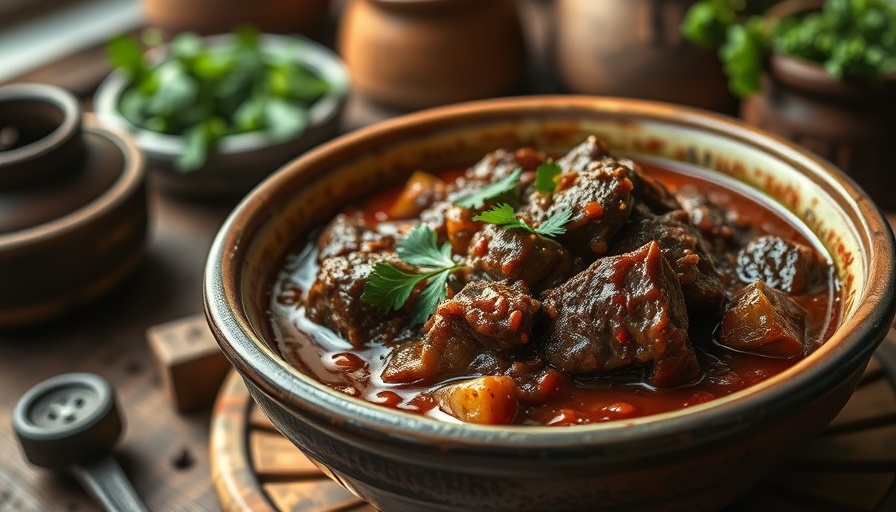
Hungarian beef stew garnished with parsley and pepper.

Discover Hungary Through Its Delicious Cuisine

When embarking on a journey to Hungary, one might quickly be captivated by its stunning architecture and rich history. However, an equally compelling aspect of the country lies in its vibrant culinary scene. The gastronomic experience here is both hearty and infused with bold flavors that encapsulate the essence of Hungarian culture. From traditional stews to beloved street food, Hungarian cuisine invites travelers to savor its storied heritage.

Why Goulash is More than a Dish

No visit to Hungary is complete without indulging in goulash, the national dish that showcases the heartiness of Hungarian food. This cherished dish features tender beef, onions, carrots, and potatoes simmered to perfection with the star ingredient: authentic Hungarian paprika. Dating back to the 9th century, goulash has evolved from rustic beginnings among herdsmen to a national emblem of pride. Today, every trip to a local market or street stall can reveal a myriad of interpretations: from a thick stew to a lighter soup, each variation offers a delicious glimpse into Hungary's culinary landscape.

Lángos: The Ultimate Comfort Food

Another essential dish to try is lángos, a deep-fried flatbread revered for its crisp exterior and fluffy interior. Often adorned with sour cream, grated cheese, or even garlic butter, lángos serves as the quintessential street food. It embodies the spirit of Hungarian life—fun, casual, and best enjoyed amidst the bustling atmosphere of market stalls. Locals often grab lángos during festive fairs or after a night out, making it a must-have treat for any foodie visiting Budapest.

More Must-Try Dishes

While goulash and lángos certainly steal the spotlight, Hungary's culinary offerings extend far beyond these classics. One cannot overlook dishes like pörkölt (a hearty meat dish) or chimney cake, a sweet pastry that delights both locals and tourists alike. Each dish reflects Hungary’s agricultural traditions and natural bounty, born of a land rich in flavors and history.

A Culinary Journey Worth Taking

In conclusion, the culinary traditions of Hungary are as rich and diverse as its landscape. Each dish tells a story of cultural pride and shared history, inviting both locals and travelers to partake in its flavors. So, whether you're strolling through Budapest’s vibrant markets or enjoying a home-cooked meal with locals, these Hungarian dishes forge connections transcending borders and time, creating memories that linger long after the last bite.

Food

9 Views

0 Comments

Write A Comment

*
*
Please complete the captcha to submit your comment.
Related Posts All Posts
05.24.2026

Explore Masuki: A Timeless Culinary Experience in Binondo

Update Rediscovering Culinary Heritage in Binondo In the vibrant heart of Manila's Chinatown, one cannot overlook the profound culinary heritage that thrives within the bustling streets of Binondo. For both locals and international visitors, Masuki transcends the mere offering of food; it serves as a nostalgic gateway to the cultural tapestry of Filipino-Chinese history. Established in the 1930s, Masuki remains a testament to the flavorful traditions that have shaped the city's gastronomic landscape, reassuring diners with timeless, unmistakable tastes while navigating the unceasing currents of modern dining. The Timeless Taste of Tradition Step into Masuki, and the ambiance is a delightful reminder that not all culinary experiences need to be sleek and contemporary. Instead, Masuki envelops patrons in warmth and familiarity. Guests are greeted with a simple vessel of aromatic tea, an old-world charm that sets the stage for the main act: its acclaimed mami. This beloved noodle dish stands out not just for its taste but also for the memory it evokes—each bowl is constructed with springy white noodles and a broth that sings with the essence of tradition. More Than Just a Meal: A Family Affair What sets Masuki apart is its role as a gathering place for families across generations. Reviews often mention how dining at Masuki is more than satisfying hunger—it's a cherished ritual. Many families have formed lasting connections to this eatery, returning regularly for hearty meals of siopao and mami that bridge past and present. Whether it's a weekend reunion or a casual weekday meal, the restaurant thrives on this harmonious blend of culinary nostalgia and familial warmth. The Cultural Significance of Masuki As gentrification and modern influences creep into many neighborhoods, establishments like Masuki serve as essential reminders of authenticity. While contemporary spots might flaunt stylish designs and avant-garde recipes, they often miss the essence that has drawn diners to places like Masuki for decades. The simplicity and sincerity of the dishes resonate deeply, ensuring that both food lovers and casual diners alike can engage with the fabric of Filipino life in Binondo. A Call to Experience For anyone looking to truly connect with the roots of culinary practices in Manila, Masuki offers a rewarding experience. It’s not just a restaurant; it’s a cultural landmark. To reignite your fondness for heritage dining and partake in a timeless tradition, step into Masuki and savor a meal that so many before you have found comfort in. Explore Binondo, indulge in the rich flavors, and let this iconic noodle house remind you of the importance of culinary history in your own story.

05.19.2026

Dive Into Exquisite French Flavours at The Manila Hotel's Goût de France 2026

Update Experience the Elegance of French Cuisine at The Manila Hotel As part of the global celebration known as Goût de France 2026, The Manila Hotel is offering a remarkable French dining experience at its iconic Champagne Room until May 31, 2026. This initiative not only showcases the rich art of French gastronomy but also enhances the cultural tapestry of the Philippines, making it a noteworthy event that food lovers and cultural enthusiasts alike should not miss. An Exquisite Culinary Journey The specially curated menu is designed to take diners through a delightful progression of flavors. From the refreshing Puy Lentil Salad with tender Smoked Duck Breast to the heartwarming Three Onion Soup accompanied by crispy Brie Croutons, each dish invites guests to indulge in the sophistication of French cuisine. The grandeur of the experience continues with the star of the show—the Roast Rack of Lamb, encrusted with aromatic herbs and served with rosemary garlic jus, alongside creamy gratin potatoes and seasonal vegetables. A Celebration of Culture and Culinary Tradition The Manila Hotel’s dedication to culinary excellence was further highlighted during the Course des Garçons de Café, a celebrated Waiter's Race held on May 17, where the hotel proudly secured 2nd and 3rd place. Executive Chef Konrad Walter emphasized this celebration as a testament to the hotel’s commitment to creating meaningful connections through cuisine that resonates not just with taste, but with culture and community. Connect Through Dining Marvin Kim Tan, vice president for sales and marketing, expressed, "At The Manila Hotel, we honor global culinary traditions. Our yearly participation in Goût de France reflects our commitment to creating meaningful experiences that connect culture, cuisine, and community." This sentiment underlines the event's significance as it strengthens the ties between France and the Philippines through a shared love for exquisite food and culture. Experience It Yourself For those seeking an elevated dining experience, The Manila Hotel awaits with its sophisticated ambience and impeccable service. To learn more or make a reservation, guests can call +632 85270011 or visit the hotel's official website. Don't miss this opportunity to savor the heart of French gastronomy right in Manila!

05.23.2026

Unlock the Secrets of Ramen Etiquette in Japan: Slurp Your Way to Deliciousness

Update Slurping: A Sign of Respect When you step into a ramen shop in Japan, you might hear the delightful sounds of slurping. While it may seem contrary to Western dining etiquette, slurping is not just accepted in Japan; it's encouraged. This unique sound signifies enjoyment, indicating that the ramen is hot and fresh as diners appreciate the craftsmanship behind the dish. For locals, failing to slurp can be perceived as dissatisfaction with the meal. So, let your enthusiasm shine through every slurp! The Importance of Speed: Eating on the Go One thing you quickly learn in a busy ramen shop is that eating ramen is serious business. The atmosphere is fast-paced, with patrons often consuming their meals in rapid succession. Taking your time can lead to undesirable stares from both the chef and fellow diners, as it’s crucial to relish the hot broth and firm noodles while they are at their prime. Ensuring a quick turnover is essential, especially in small shops that might only accommodate a few diners at a time. A Taste Test Before Customizing Before reaching for those condiments scattered across the table, the etiquette dictates that you should first taste the broth in its pure state. This step not only respects the effort of the chef but also allows you to appreciate the carefully crafted flavors. Once you've savored the initial taste, feel free to customize your bowl by adding ingredients like garlic or chili—an exciting part of the ramen experience that ensures each bowl can be tailored to personal preferences. Proper Utensils Matter To fully embrace the ramen experience, mastering the use of chopsticks and a soup spoon is essential. Your chopsticks lift the noodles and toppings, while the spoon helps sip the rich, flavorful broth. If you’re worried about making a mess, don’t hesitate to fold the napkin into a bib. Just remember, forks are rarely found in traditional settings—they can even come off as disrespectful! Show Gratitude: A Simple Thank You Once you've savored every bite of your delicious ramen, expressing gratitude is the final touch to your dining experience. A polite "gochisosama deshita"—meaning "thank you for the meal"—acknowledges the chef's efforts and showcases respect for the culinary artistry involved. This simple custom connects diners and chefs in appreciation of the artistry behind the dish. In addition to enjoying a delicious bowl of ramen, being aware of and following these customs allows you to honor Japanese culture. Ramen, beyond just a beloved dish, becomes a conduit through which we can appreciate the dedication and respect embedded in Japanese culinary traditions. With these insights, you're not just eating ramen; you're participating in a cultural experience steeped in respect and appreciation. Ready to put your ramen skills to the test? Find your way to one of Tokyo’s local ramen gems to experience it all firsthand!

Terms of Service

Privacy Policy

Core Modal Title

Sorry, no results found

You Might Find These Articles Interesting

T
Please Check Your Email
We Will Be Following Up Shortly
*
*
*