
Add Row
Add Element
cropper
update
Talk Travel Daily News
update
Add Element
  • Home
  • Categories
    • travel
    • news
    • tips
    • trends
    • adventure
    • updates
    • inspiration
    • exploration
    • guides
    • destinations
    • Festivals
    • Food
2 Minutes Read

Shopping in Thailand on a Budget: Where to Go and What to Buy Without Breaking the Bank  


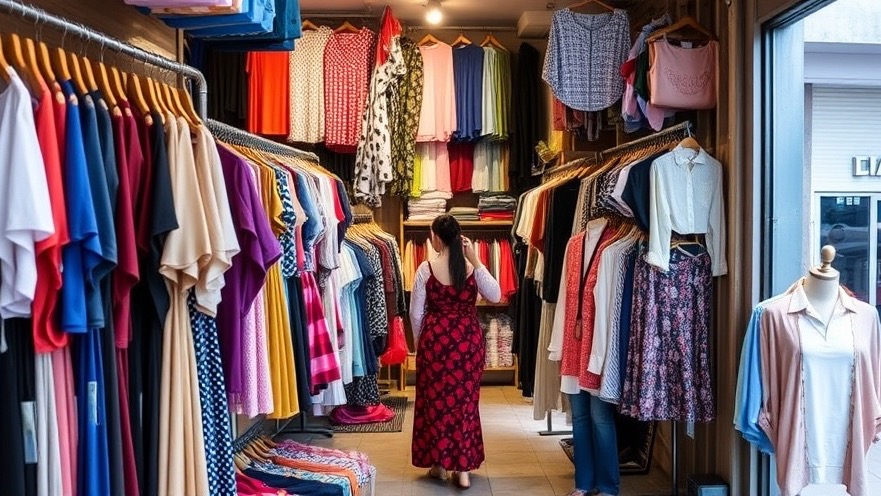
Budget-friendly clothes shopping in the vibrant streets of Thailand.


You don’t need deep pockets to go on a shopping spree in Thailand. From buzzing night markets to bargain fashion malls, this country is a haven for budget-conscious shoppers. Whether you’re hunting for souvenirs, local fashion, or just quirky finds to take home, there’s something for every price point—and every personality.

1. Chatuchak Weekend Market (Bangkok)

Best for: Everything under the sun
One of the largest markets in the world, Chatuchak is a maze of over 8,000 stalls selling clothes, accessories, handicrafts, antiques, plants, ceramics, art, and more. Bargaining is the norm, and you can easily spend hours (or a whole day!) wandering around. Pro tip: go early, wear comfy shoes, and bring cash.

Budget Buy: Thai cotton shirts, handmade soaps, home decor


2. Platinum Fashion Mall (Bangkok)

Best for: Trendy fashion finds
Think of it as Bangkok’s indoor fashion bazaar—six floors of affordable clothing, bags, shoes, and accessories. Many items are sold wholesale, so if you buy more than one, you’ll often get a better price. Perfect for fashionistas looking for Korean, Thai, and Western-inspired styles at low prices.

Budget Buy: Dresses, jumpsuits, cute handbags


3. Night Markets (Nationwide)

Best for: Local vibes and spontaneous buys
Whether you're in Chiang Mai, Phuket, or Pattaya, night markets are the soul of Thai street shopping. Expect handmade jewelry, art prints, T-shirts, and fun street food on every corner. They’re also great places to interact with locals and enjoy free entertainment like live music or fire shows.

Budget Buy: Elephant pants, handmade jewelry, snacks for souvenirs


4. MBK Center (Bangkok)

Best for: Electronics, phone accessories, and cheap souvenirs
MBK is a blast from the early 2000s—in a good way. It's like a retro mega-mall filled with small vendors selling gadgets, fashion, knock-off brands, and Thai trinkets. You can even haggle here (yes, even inside a mall).

Budget Buy: Power banks, phone cases, quirky T-shirts


5. Local Floating Markets

Best for: A unique shopping experience
Places like Damnoen Saduak or Amphawa combine shopping with sightseeing. You can buy fresh fruit, snacks, crafts, and more—from boats! Prices can vary, but with a bit of bargaining and a big smile, you’ll score cool finds while floating along the canals.

Budget Buy: Coconut candy, handmade fans, woven goods


Tips for Smart Budget Shopping in Thailand:


  • Bargain politely – It’s expected in markets, but keep it friendly.

  • Bring cash – Many stalls don’t accept cards, especially in local markets.

  • Know when to stop – If a deal sounds too good (like luxury brands super cheap), it probably isn’t real.

  • Buy in bulk – Many sellers offer discounts if you buy 2 or more items.

  • Check quality – Especially for electronics or clothing.


Shopping in Thailand isn’t just about what you buy—it’s about the thrill of the hunt, the conversations you have, and the culture you soak up along the way. With a little cash and a lot of curiosity, you’ll go home with way more than just souvenirs—you’ll have stories to tell.


14 Views

0 Comments

Write A Comment

*
*
Related Posts All Posts
12.09.2025

IndiGo Airlines Under Fire: Civil Aviation Minister Vows Action Over Disruptions

Update IndiGo Faces Increased Scrutiny Amid Flight Disruptions In a recent statement to Parliament, India's Civil Aviation Minister expressed serious concerns regarding the operational practices of IndiGo Airlines, especially following significant disruptions in their flight schedule. This announcement has sent ripples through the aviation community and raised critical questions about airline accountability.In 'Strict action to be taken against IndiGo, Civil Aviation Minister tells Parliament,' the discussion dives into the pressing issue of flight disruptions, exploring key insights that sparked deeper analysis on our end. Understanding the Passenger Experience For many travelers, flight delays and cancellations are more than just inconveniences; they can derail plans, cause financial losses, and lead to frustration. This reality emphasizes the necessity for airlines to maintain efficient operations and uphold customer service standards. With a growing public outcry over disruptions, the focus is now on how IndiGo, as one of India’s leading airlines, will respond to these challenges. The Need for Stricter Regulations The Minister's promise of strict action reflects broader concerns about the industry's regulatory framework. As air travel continues to flourish in India, regulatory bodies play a crucial role in ensuring airlines prioritize passenger welfare. The call for stricter guidelines raises hope for passengers who seek accountability and better service. Potential Impact on Travelers If IndiGo faces stringent penalties, it could lead to improved operational practices. This would benefit passengers who have endured repeated delays, assuring them that their voices are heard. Moreover, this situation serves as a reminder for all airlines about the importance of prioritizing customer care. In conclusion, the Civil Aviation Minister’s statement regarding IndiGo is a crucial step towards enhancing accountability and improving the passenger experience in the aviation sector.

12.09.2025

Transform Family Trips: Teach Kids Responsibility Through Travel

Update Why Travel is a Classroom for Responsibility Travel is not just an escape; it's a vibrant classroom where children can learn key life skills, including responsibility. When children step out of their familiar surroundings and into the unknown realms of travel, they are naturally compelled to adapt, make decisions, and learn the significance of their actions. This makes traveling one of the most profound methods for teaching responsibility that transcends traditional education. Building Responsibility Before the Journey Begins Grooming kids for their travel experience begins long before the departure date. Engaging them in the journey's planning offers essential lessons about teamwork and shared responsibility. For instance, younger children can help select activities, while older kids can research destinations or transportation methods. Together, families can create checklists that outline essential pre-travel chores such as packing and pet care, creating anticipation while illustrating the importance of preparation. These early lessons are foundational in instilling a sense of accountability in children. The Learning Journey: Packing and Its Lessons Packing for a trip is more than just a mundane task; it’s a prime opportunity for children to practice responsibility first-hand. Provide your kids with a packing list appropriate for the trip and encourage them to make their choices. However, avoid intervening excessively; if they forget something minor, let them face the natural consequences. This method fosters reflection and encourages them to think critically about preparation, leading to more thoughtful behavior on future trips. Money Management: A Real-World Lesson Travel also presents perfect moments to educate children about money management. By giving each child a budget for snacks or souvenirs, they learn to weigh choices against limited resources. They grasp practical lessons in spending, savings, and the value of money, teaching them to make decisions that enrich their travel experiences while being mindful of their expenses. Instilling Values Through Travel In addition to responsibility, travel fosters empathy and a deeper understanding of cultures. Conversations about sustainable travel and ethical practices resonate, not merely as lessons, but as real experiences. Children learn that their choices impact the world around them—whether it's using a reusable bottle or choosing a local eatery instead of a fast-food chain. These experiences promote a conscious approach to adventures and personal growth. Conclusion Ultimately, travel is an unparalleled instructor for children. By involving them in the planning, encouraging thoughtful packing, and discussing money management, parents can instill essential values of responsibility and independence that will benefit them throughout life. As we embark on our next adventure, let’s embrace the lessons that travel presents, enabling our children to depart not only as fun-seeking explorers but as responsible global citizens.

12.08.2025

Discover Affordable Travel Trends: Why Secondary Destinations Are Hot in 2026

Update Uncovering Asia's Hidden Gems: The Rise of Secondary Destinations in 2026 As the world of travel evolves, Asia is witnessing a remarkable shift toward secondary destinations that promise both affordability and unique, authentic experiences. Agoda’s 2026 Travel Outlook Report uncovers this trend, showing that increasingly, travelers are seeking lesser-known cities to explore not just for their budget-friendly appeal but also for their rich culture and opportunities for immersive experiences. Why Secondary Destinations Are Surging in Popularity The growth rate for accommodation searches in secondary destinations has outpaced that of traditional tourist hubs by a striking 15%. A whopping 34% of all accommodation searches on Agoda in the first half of 2025 were for these less-traveled routes. Travelers are no longer merely searching for the most popular hotspots; instead, they’re diving into culture-rich locales that offer a chance to connect with locals and enjoy something out of the ordinary. Government Support and Infrastructure Improvements Shaping Travel Trends The rapid development of infrastructure in countries like Thailand, Indonesia, and India is further enhancing access to these emerging travel destinations. With 91% of Indian travelers prioritizing accessibility, the governments are launching marketing initiatives to promote these hidden gems. This increased focus not only boosts tourism but also benefits local economies by encouraging sustainable practices and fostering community engagement. The Changing Landscape of Travel As travelers prioritize authenticity, they seek experiences that allow them to engage deeply with local customs and practices. Agoda's survey identified that 43% of travelers are drawn to secondary destinations primarily for lower costs, but also for the unique local culture and special promotions these places offer. Innovative outdoor activities and culinary adventures are now key attractions for the new-age traveler. Deep Dive into Unique Experiences Let’s embrace this vibrant shift! For instance, consider exploring secondary cities such as Udaipur in India, where new luxury hotels are inspiring urban renewal amid its historic palaces, or Naoshima in Japan—an island known for its unique art installations and serene landscapes. These destinations are becoming the soul of travel in 2026, making them perfect for both young adventurers and seasoned travelers alike. This movement towards secondary destinations is not just a passing trend; it's reshaping the future of travel in Asia. The fusion of affordability and authenticity beckons a new generation of explorers who value unique experiences over traditional tourism. Want to explore further? Consider diving into Agoda’s Travel Outlook Report for more insights about travel trends in 2026, and start making plans to visit some of these exciting destinations!

Terms of Service

Privacy Policy

Core Modal Title

Sorry, no results found

You Might Find These Articles Interesting

T
Please Check Your Email
We Will Be Following Up Shortly
*
*
*