
cropper
update
Talk Travel Daily News
update
  • Home
  • Categories
    • travel
    • news
    • tips
    • trends
    • adventure
    • updates
    • inspiration
    • exploration
    • guides
    • destinations
    • Festivals
    • Food
    • Hot News
August 30.2025
2 Minutes Read

Megaworld Hotels & Resorts Partners With Dubai's Viral Chef to Celebrate Filipino Culture

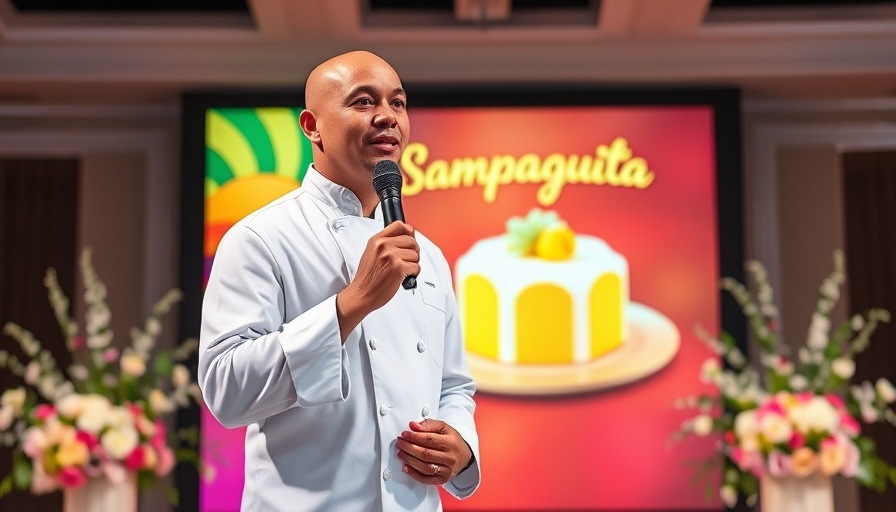
Megaworld Hotels & Resorts event with Chef presenting in front of a colorful screen.

Megaworld Hotels & Resorts: A Flavorful Future Ahead

In a daring bid to intertwine culinary arts with cultural pride, Megaworld Hotels & Resorts (MHR) is setting the stage for an exciting collaboration with renowned Dubai-based chocolatier Chef Nouel Catis. Emphasizing a commitment to promote Filipino culture, they'll unveil a unique food or beverage concept that pays homage to the rich heritage of the Philippines.

Celebrating Filipino Heritage Through Culinary Innovation

During a recent Media Huddle held at the picturesque Twin Lakes Hotel, Cleofe Albiso, Managing Director of MHR, articulated the essence of this partnership. “We are devoted to Filipinization, a movement designed to highlight the distinctive flavors and traditions of our culture,” she said. This collaboration aligns perfectly with the Department of Tourism's efforts to celebrate local delicacies and crafts, potentially turning it into an iconic culinary experience.

Chef Nouel Catis: A Vision Driven by Legacy

Chef Nouel, celebrated for his innovative chocolate creations, expressed a desire to permanently impact the Philippine food industry. His return is rooted not only in commercial aspirations but also in a deep-seated commitment to mentor future chefs. “I wanted to re-enter the Philippine market not just to sell, but to pass on knowledge and skills,” he remarked. This endeavor is a testament to the connection between gastronomy and cultural sustainability.

Bringing Culinary Expertise to Life

During MHR's 4th Culinary Conference earlier this month, Chef Nouel shared his culinary journey with peers, encouraging them to explore new trends while honoring their roots. This annual celebration fosters collaboration among chefs, emphasizing the importance of innovation within the culinary sector and enhancing the craft, all while leaving a legacy for future generations of culinary artists.

Conclusion

As MHR continues to champion Filipinization through its culinary ventures, this collaboration with Chef Nouel Catis could pave the way for future partnerships that elevate the Philippines on the global culinary map. Stay tuned for more developments as they strive to create something truly unforgettable!

Food

11 Views

0 Comments

Write A Comment

*
*
Please complete the captcha to submit your comment.
Related Posts All Posts
06.22.2026

Discover the Farm-to-Fork Dining Experience: Freshness, Flavor, and Sustainability

Update Understanding the Farm-to-Fork Movement The farm-to-fork dining philosophy reshapes the culinary experience, moving away from extensive supply chains towards a more localized approach. This means that diners receive meals crafted from ingredients grown in their vicinity, often harvested mere hours before being served. The philosophy centers around direct partnerships between restaurants and local farms, which not only fosters freshness but also boosts the local economy. The Impact of Seasonal Sourcing One of the most compelling aspects of farm-to-fork dining is its reliance on seasonal ingredients. Restaurants that embrace this approach create menus that change frequently, reflecting what is ripe and ready to eat. For instance, diners can expect to savor fresh asparagus in spring and rich, hearty root vegetables in the fall. This shift not only enhances the flavor of the dishes but also challenges chefs to innovate and highlight the unique tastes of each season. Community and Sustainability Benefits Choosing farm-to-fork dining creates a ripple effect. Not only does it enrich local communities by keeping money within the region, but it also reduces carbon footprints associated with long-distance food transportation. Sustainable farming practices are more prominent in local sourcing, aligning with a growing demand for environmentally responsible dining. According to the literature, dining establishments that prioritize local foods contribute to food security, biodiversity, and reduced greenhouse gas emissions. Creating Connections Through Food The heart of farm-to-fork dining is the connection it creates between consumers and producers. By knowing where their food comes from, diners develop a deeper appreciation for their meals and the people behind them. Chefs often share stories about their relationships with local farmers, turning meals into celebrations of community. As diners taste ingredients freshly picked from a nearby farm, they experience flavors that supermarket produce can scarcely replicate. This transparency in sourcing captivates patrons and keeps them returning for more. Embracing Change in the Restaurant Scene For a restaurant to successfully implement a farm-to-fork model, it must be willing to adapt. This includes tailoring menus based on what farmers provide rather than rigidly adhering to a standard selection of dishes year-round. Flexible menu planning encourages creativity and allows chefs to experiment with new flavor combinations, making the dining experience dynamic and exciting. Some chefs, like Chef LG Han, have made direct visits to their suppliers to establish partnerships that shape their culinary direction. Conclusion: The Future of Dining is Local As consumer preferences shift increasingly towards sustainability, the farm-to-fork dining model stands out as a pivotal change in the culinary landscape. By aligning dining practices with local sourcing and seasonal agriculture, restaurants not only elevate their dish offerings, but they also foster supportive community networks. This evolution is not just about better food; it’s a movement that connects people to their food systems, invigorates local economies, and champions agricultural responsibility.

06.05.2026

Discover the Unique Art of Luxurious Kappo Yakiniku at Yama Oku

Update The Allure of Yakiniku Yama Oku: A Culinary Journey In the enchanting world of Japanese cuisine, where tradition meets innovation, Yakiniku Yama Oku stands out as a beacon of high-end dining. Nestled within Kyoto, this restaurant redefines the concept of yakiniku by intertwining it seamlessly with the artful whispers of kappo cuisine. Guests embark on a sumptuous experience of exceptional cuts of A5-grade wagyu served in a manner that elevates the ordinary into the extraordinary. A Taste of Tradition Reimagined Each visit to Yakiniku Yama Oku is not merely a meal; it’s an immersive journey. The omakase format, which translates to “I’ll leave it up to you,” allows the chef to showcase seasonal specialties, marrying traditional grilling techniques with exquisite aesthetics. Diners can expect to indulge in tender pieces of wagyu, succulent grilled vegetables, and brothy interludes that cleanse the palate, all while seated at a counter that promotes an intimate connection to the chefs and the art of cooking. The Essence of Wagyu: Quality and Craftsmanship What truly defines Yakiniku Yama Oku is its unwavering commitment to quality. The centerpiece of its menu is the renowned A5 wagyu beef, famed not just for its marbling but for its exceptional flavor profile that resonates with Japanese culinary philosophies. The careful selection of ingredients—often sourced from small-scale, sustainable farms—ensures that each dish embodies the essence of Japanese culture. Creating Memorable Experiences Dining at Yakiniku Yama Oku transcends the act of eating; it's about connection, both with the food and those we share it with. The ambiance, inspired by the simple elegance of Edo-period aesthetics, invites conversations that linger long after the last bite. Many patrons leave with not just full stomachs, but also spirits lifted by the harmony created between the dishes served and the atmosphere surrounding them. Why You Should Experience Yakiniku Yama Oku In a world bustling with culinary options, Yakiniku Yama Oku promises an experience unlike any other—a chance to savor premium cuts of beef in a setting that marries history with contemporary artistry. Visitors not only get to revel in exquisite food but also partake in an intricate tapestry of cultural heritage. Whether you are a seasoned foodie or a first-time indulge of fine dining, Yakiniku Yama Oku invites you into a lavish realm of flavors that embrace traditional values while celebrating the joyous experience of dining.

05.24.2026

Explore Masuki: A Timeless Culinary Experience in Binondo

Update Rediscovering Culinary Heritage in Binondo In the vibrant heart of Manila's Chinatown, one cannot overlook the profound culinary heritage that thrives within the bustling streets of Binondo. For both locals and international visitors, Masuki transcends the mere offering of food; it serves as a nostalgic gateway to the cultural tapestry of Filipino-Chinese history. Established in the 1930s, Masuki remains a testament to the flavorful traditions that have shaped the city's gastronomic landscape, reassuring diners with timeless, unmistakable tastes while navigating the unceasing currents of modern dining. The Timeless Taste of Tradition Step into Masuki, and the ambiance is a delightful reminder that not all culinary experiences need to be sleek and contemporary. Instead, Masuki envelops patrons in warmth and familiarity. Guests are greeted with a simple vessel of aromatic tea, an old-world charm that sets the stage for the main act: its acclaimed mami. This beloved noodle dish stands out not just for its taste but also for the memory it evokes—each bowl is constructed with springy white noodles and a broth that sings with the essence of tradition. More Than Just a Meal: A Family Affair What sets Masuki apart is its role as a gathering place for families across generations. Reviews often mention how dining at Masuki is more than satisfying hunger—it's a cherished ritual. Many families have formed lasting connections to this eatery, returning regularly for hearty meals of siopao and mami that bridge past and present. Whether it's a weekend reunion or a casual weekday meal, the restaurant thrives on this harmonious blend of culinary nostalgia and familial warmth. The Cultural Significance of Masuki As gentrification and modern influences creep into many neighborhoods, establishments like Masuki serve as essential reminders of authenticity. While contemporary spots might flaunt stylish designs and avant-garde recipes, they often miss the essence that has drawn diners to places like Masuki for decades. The simplicity and sincerity of the dishes resonate deeply, ensuring that both food lovers and casual diners alike can engage with the fabric of Filipino life in Binondo. A Call to Experience For anyone looking to truly connect with the roots of culinary practices in Manila, Masuki offers a rewarding experience. It’s not just a restaurant; it’s a cultural landmark. To reignite your fondness for heritage dining and partake in a timeless tradition, step into Masuki and savor a meal that so many before you have found comfort in. Explore Binondo, indulge in the rich flavors, and let this iconic noodle house remind you of the importance of culinary history in your own story.

Terms of Service

Privacy Policy

Core Modal Title

Sorry, no results found

You Might Find These Articles Interesting

T
Please Check Your Email
We Will Be Following Up Shortly
*
*
*